Visa Itinerary for the USA: Flights and Hotel Plan for Sri Lankan Applicants
A USA visa itinerary is a clear plan of your flights and where you will stay, and a flight reservation with a real booking reference is the usual way to show your travel dates. It helps the embassy or visa centre see your intended trip, but it does not guarantee a visa, because the decision rests with them. Check the current requirements with the US embassy or the visa application centre before you apply.
A flight reservation is a real airline booking record with a booking reference, not a ticket
It shows your planned route and dates but does not guarantee entry or a visa
Your hotel or host address should match the dates in your itinerary
Keep your itinerary consistent with your DS-160 and interview answers
The embassy or visa centre sets the final documents you need
What is a USA visa itinerary and why do Sri Lankan applicants need one?
[[img:1]]
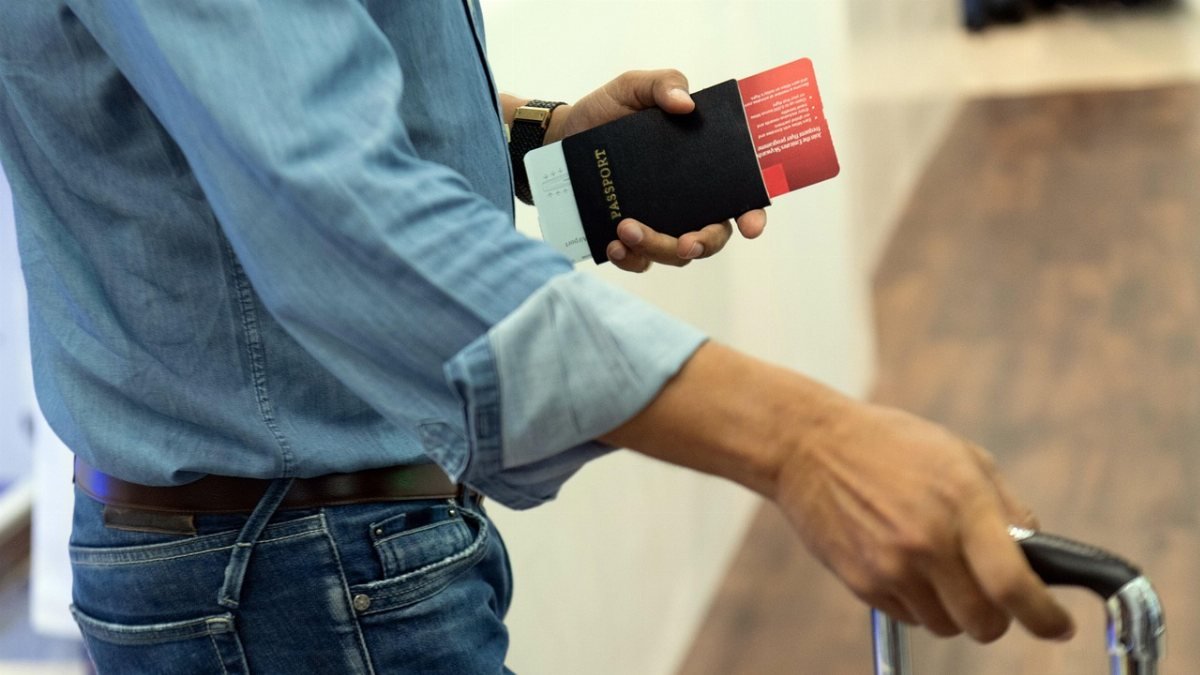
A USA visa itinerary is a clear, dated outline of your planned trip: where you will fly in and out, where you will stay, who or what you will visit, and roughly how long you plan to be away. It is not a legal document in itself, but it gives a consent officer or an embassy reviewer a simple picture of your journey, so that every detail you give on your application lines up with the others.
Many Sri Lankan applicants find that the itinerary is what turns a loose set of plans into a story that is easy to follow. Imagine someone from Kandy who has been invited to a family wedding in New Jersey, with two weeks in the United States and a return to Colombo afterwards. Their itinerary would show the arrival airport, the dates in New York and the surrounding area, the address where they will stay, and the flight home. Each of those points should match what they write on the form and what they say in an interview.
Consistency matters more than length. A short itinerary with accurate dates and a realistic plan is far more useful than a long one with details that change from one document to the next. If your dates, cities or stay address shift between your form, your bookings and your answers, reviewers may have questions, so it helps to settle the plan first and then make everything else agree with it.
An itinerary also helps you think through practical points before you travel. You can check whether the timing of your return flight fits the length of stay you have described, and whether your accommodation covers every night. Putting the plan on one page means you can spot gaps early, rather than discovering them at the airport or the appointment.
Flight reservation for visa: what it is and what it is not
A flight reservation is a booking record held by an airline or a booking system, identified by a booking reference. It shows the flights, dates, passenger name as it appears on the passport, and the route you have arranged. It is a real record that the airline can look up, and it is the thing most people actually need when an embassy or a check-in desk asks for proof of onward travel.
What a flight reservation is not matters just as much. It is not an issued ticket, which means the airline has taken payment and confirmed the fare in its own system, and it is not a visa or any form of permission to enter a country. Nobody at a visa office or an embassy approves a visa because you hold a reservation. The reservation simply gives the officer evidence of a plan, and the decision rests entirely with them.
Consider a software engineer flying from Colombo to New York for a two-week conference, who books a return flight to show intent to leave the United States. Their flight reservation carries a reference, the dates and the matching passport details, so anyone can check it against the airline. That is the honest value of the document: it is verifiable and it matches the rest of the application.
If you are considering a flight reservation for your visa application, you can book one through 247booking.online. It is a real booking record with a reference you can show to an embassy or check-in desk, and it is worth reading the terms first to confirm it suits your purpose.
What is a PNR and how do you read a flight reservation with PNR?
[[img:2]]
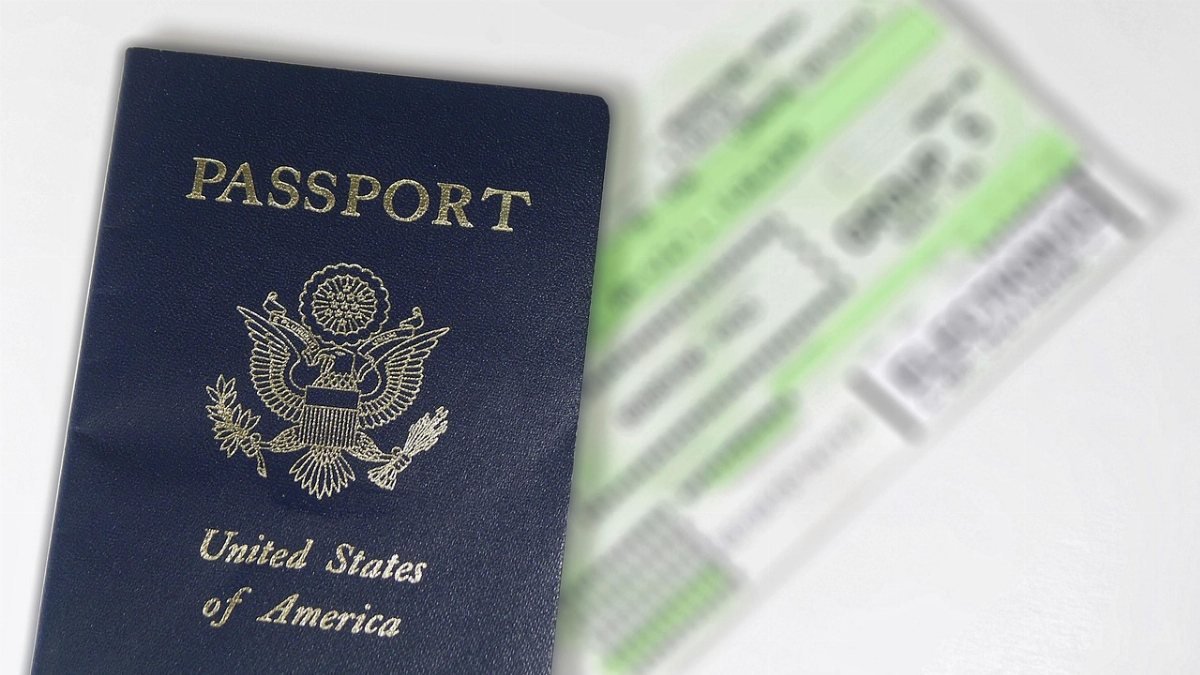
A PNR, short for Passenger Name Record, is the booking reference an airline or reservation system assigns to your flight reservation. It is usually a short code of six letters or a mix of letters and numbers, and it is the thread that ties your name, your route and your dates together in the airline's system. When you show a flight reservation at a check-in desk or attach it to a visa application, the PNR is what staff use to look you up.
Reading the record is simpler than it first looks. Start with the passenger name, which should match your passport exactly, including the order of names and any middle names printed in the passport. Then look at the route, which lists each departure and arrival airport, the flight numbers, and the dates and times. Check that the departure city and the arrival city match the journey you intend to make.
Here is how it might look in practice. Suppose a Sri Lankan applicant, Nimal, is travelling from Colombo to New York with an onward leg later in the trip. His reservation should show his name as it appears on his passport, the route from Colombo to the connecting hub and then on to New York, and the dates he plans to travel. If the record says Nimalan instead of Nimal, or lists a date that differs from his plans, he should ask for it to be corrected before he relies on it.
Before you rely on any reservation, compare each detail with your passport, one line at a time, and keep a copy of the record with its reference visible. Small differences in spelling or dates are easier to fix now than at the airport.
TABLE Airline hold versus flight reservation versus issued ticket
Not every flight document looks the same, and the differences matter when you are showing a consular officer or an airline agent what you plan to do. The three you are most likely to meet are an airline hold, a flight reservation and an issued ticket, and each one tells a different story.
An **airline hold** is a short-term block on seats, usually given by an airline's booking system for a limited period so you can decide. It carries a reference, but it is not a confirmed booking and it lapses if you do not complete payment or ticketing by the stated time. A hold is useful for planning, yet it is weak evidence on its own, because it can expire before your interview.
A **flight reservation** is a real airline booking record, with a booking reference, passenger names, routing and dates, which the airline holds in its system. It shows that a specific journey has been booked and can be checked against the airline. This is the document most visa applicants need, and it is what our service provides when you book a flight reservation for a visa application here.
An **issued ticket** is the final document, showing the fare has been paid and the ticket number has been issued to you. It is the strongest proof of a confirmed journey, though many people do not need to buy one before an interview, especially where the reservation already shows the route clearly.
For example, a Colombo-based software engineer applying for a US visa in the coming weeks might hold a reservation from Colombo to New York with a return from New York to Colombo, rather than an issued ticket, and still have a clear, checkable record.
Can I use a flight itinerary for visa purposes if I return from Colombo later?
[[img:3]]
Many Sri Lankan applicants depart from Bandaranaike International Airport near Colombo and worry that a return date they have not yet settled on will weaken their application. The honest answer is that a flight itinerary can show your intended travel pattern even when the return is a plan rather than a fixed commitment. What matters is that the dates you show are realistic, that they match the rest of your application, and that they can be checked against the airline's record.
Consider a Colombo-based teacher who is applying for a short visit to a relative in Houston and has not yet decided whether to stay for three weeks or five. She can hold a reservation for the outbound leg and a return leg with a date that reflects her planned stay, then keep the booking open to change. The reservation shows her departure from Colombo and her return route, and her stated trip length should line up with the return date she has chosen.
It helps to be straightforward about the uncertainty. If your return is still undecided, do not invent a precise date you have no intention of keeping, and avoid presenting an open-ended plan as though it were fixed. A short covering note explaining that your return depends on the length of your stay can be more reassuring to a reviewer than a date that looks arbitrary.
Check that your dates also fit your passport validity, your employment or study commitments in Sri Lanka, and any appointment you have booked. Mismatched dates raise more questions than an honest, flexible plan does. The embassy makes the final decision on your application, so present your itinerary as an accurate picture of your intended travel and let it speak for itself.
How should my hotel plan match my flight itinerary?
Your hotel plan and your flight itinerary should tell the same story. An officer reading your papers will check whether the cities, dates and names line up, and small gaps are often what make a plan look unclear. The aim is simple: a reader should be able to follow your trip from landing to departure without having to guess.
Start by listing your arrival and departure dates from the flight reservation, then book accommodation that covers every night in between. If your flight lands in New York on the 3rd and you leave from Boston on the 12th, your hotels should show New York for the first part of the stay and Boston for the last, with no unexplained nights in another city. Keep the hotel check-in and check-out dates identical to the flight dates where you can, or leave a sensible margin rather than a gap.
If you are staying with a relative or friend, a host letter should match the address, dates and relationship you give on your form. For example, a Sri Lankan applicant from Kandy visiting a cousin in Houston should give the same street address on the letter, the form and any accommodation details, along with the dates of the visit. Mismatched spellings or a different city in one document are easy to spot and easy to avoid.
Where your plan has to change, update every document that depends on it, not just one. Being honest and consistent is far more persuasive than a perfect-looking set of papers that do not quite agree.
Onward ticket and return ticket proof: what documents do I keep?
Your flight reservation is only one piece of what you carry. Airlines and embassies look at the whole set of papers and check whether they tell the same story, so it helps to know which supporting documents to keep alongside the booking reference.
Start with the flight reservation itself, saved as a PDF and printed, showing the booking reference, passenger name exactly as it appears on your passport, the route and dates. Add your hotel confirmation or invitation letter, a copy of your bank statement or a letter showing how the trip is funded, and your employment letter or proof of study if you have one. If you are travelling on business, keep the letter from your employer confirming the dates.
For a Sri Lankan applicant from Kandy planning a short holiday to New York and a return from Colombo, the bundle might be the reservation, a hotel booking for the first nights, the bank statement and an employment letter. Each one should give the same dates and the same name spelling.
Store everything in one folder on your phone and a second copy in your email, so you can reach it at check-in or at an appointment. Keep a printed set in your hand luggage. Name files clearly, for example "flight-reservation-passport-name", so you can find them quickly at a desk.
Transit and short-notice appointments: how an itinerary helps
Transit and short-notice appointments can leave very little room for error, and a clear itinerary helps you stay calm when dates are close. If your visa interview is booked for a day or two before you fly, or if you have a connection through a hub such as Dubai or Doha on the way, the officer or airline staff will want to see a simple, consistent story of your travel. A flight reservation with a booking reference, showing the outbound leg from Colombo and your onward or connecting segments, gives them something concrete to check.
Consider a software engineer from Kandy who has a short-notice interview in Chennai and then a connecting flight to New York a few days later. Her itinerary shows the Colombo to Chennai leg, the onward journey and the dates, so the travel she describes at the appointment matches what is on paper. Because the reservation can be verified with the airline, she does not have to explain every detail from memory.
If the appointment moves, the itinerary still does its job, but you need to update your plan rather than hope for the best. Keep the original reservation, then add a note or updated document that shows the new date, so that you are not carrying two conflicting versions of your travel. Check the airline's own change or cancellation terms before you alter anything, as these vary by fare and carrier.
What to keep ready:
The current booking reference and a copy of the latest itinerary
The appointment confirmation with its new date and time
Your passport, with the photo page and visa pages easy to reach
Any transit visa or hotel confirmation that matches your dates
A short, tidy folder means fewer questions at the desk.
Who decides the final visa rules for Sri Lankan applicants?
Many Sri Lankan applicants assume that a travel agent, a booking website or a friend who has already been through the process can tell them what the rules are. In practice, the rules for a United States visa come from the US embassy and the visa application centre that handles appointments and documents for Sri Lankan applicants. Those bodies set the eligibility rules, the forms, the fees and the appointment process, and they can change them. Anything an outside site or adviser says, including what we say here, should be checked against their current guidance before you act on it.
Take a software engineer booking a short business trip from Colombo to Chicago. She may read a forum post saying a certain document is always enough, but the embassy's own guidance for her visa category is what she must follow. She should note the date she checked it, keep a copy, and re-check if her application is delayed or her travel plans shift.
A reasonable habit is to start with the official US embassy website for Sri Lanka, find the visa category that matches your trip, and read the list of required documents and the fee information there. Then look at the instructions from the visa application centre for booking and attending an appointment. If something on those pages is unclear, contact the centre directly rather than relying on a second-hand answer.
A flight reservation is one document among several that you may be asked to provide. It supports your travel plan, but the embassy alone decides whether your application is approved, and no booking service can change that decision.
Common mistakes to check before you book your flight reservation
Before you pay for anything, it pays to check a few details that cause more trouble than almost anything else. Start with your name. It must match your passport exactly, letter for letter and in the same order, including any middle names or diacritics your passport shows. A small mismatch, such as a missing middle name or a swapped surname, can mean the airline or the embassy asks questions you would rather avoid.
Next, look hard at your dates. Check the day, the month and the year, and remember that some airlines and booking systems use the day before the month. A useful example is a Colombo to New York plan where the outbound date is entered as 04/06 when you meant 6 April: the reservation then sits on the wrong day and may not line up with your visa appointment. Confirm the time zone as well, since a late evening departure from Colombo can land on the next calendar day in the United States.
Route accuracy matters just as much. Make sure the airports are the ones you intend, that the connections are realistic, and that the cabin and number of passengers are correct. If you are flying with a companion, both names and their booking details should appear on the same reservation, not split across two bookings that do not reference each other.
Finally, keep the whole plan consistent with your application. The dates on your reservation should agree with the dates you give in your form, and your accommodation should cover the same nights. If your plans change after you book, update the reservation rather than letting it drift out of step with what you have declared.
Is a flight reservation the same as a ticket for a USA visa?
No, a flight reservation is a real booking record with a reference, and it is not an issued ticket, so check what the embassy accepts.
What is a verifiable flight reservation for visa?
It is a genuine airline booking that can be checked against the airline's records using the booking reference and passenger name.
Do I need a return ticket proof for a USA visa itinerary?
Many applicants include a planned return, but the exact requirement is set by the embassy or visa centre, so confirm it there.
Can I change my flight itinerary after I apply?
Changes may affect consistency with your application, so update your records carefully and speak to the embassy if your plans shift.
Where can I book a flight reservation for a visa application?
You can book a flight reservation for a visa application through 247booking.online, which provides a verifiable booking record for your itinerary.
Is a flight reservation the same as a ticket?
No. A reservation is a booking record with an airline reference. A ticket is paid for and lets you fly.
Please note
A flight reservation is not a ticket and does not guarantee a visa. The embassy or visa centre decides, and its rules change. Follow the official checklist for your application. We are independent and not affiliated with any airline or embassy.
Ready to order?
£18.00 one way or £18.00 return, per traveller. Delivered within 2 hours.
Short answer: A mexico flight reservation itinerary is a real airline booking record that shows when you plan to arrive and leave, with a booking reference you c...
Short answer: A norway visa itinerary is a dated plan of your entry and exit flights and where you will stay in Norway, and a flight reservation with a booking r...
Short answer: A flight reservation for Italy is a real airline booking record, with a booking reference, that shows when you plan to leave the Schengen area, and...