Norway Visa Itinerary for Iraqi Applicants: Flights and Hotel Plan
A norway visa itinerary is a dated plan of your entry and exit flights and where you will stay in Norway, and a flight reservation with a booking reference is the usual way to show your onward or return travel. It is not a ticket or a visa, and the Norwegian embassy or visa centre decides what it accepts, so check their current list before you apply.
A flight reservation is a real airline booking record with a booking reference (PNR)
it shows planned travel but is not a paid ticket unless you have paid for it
your itinerary should match your hotel dates and travel insurance
rules, fees and required documents are set by the embassy or visa centre, not by this website
keep your reservation details consistent across every form you submit
What a norway visa itinerary actually contains
[[img:1]]
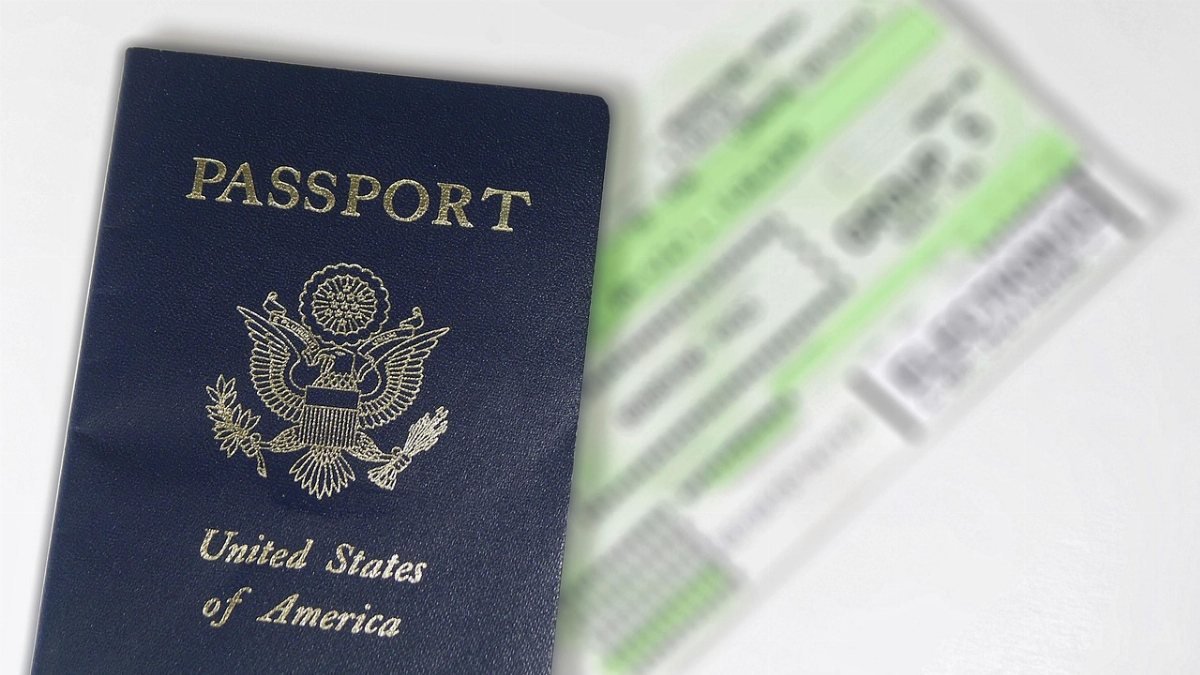
A Norway visa itinerary is simply a clear, dated picture of your trip. It usually shows when you arrive, when you leave, where you will sleep each night and how you will get in and out of the country. Think of it as a short story of your journey that a caseworker can read in a minute and understand.
For most travellers the core pieces are the arrival flight, the departure flight and the accommodation. Each one should carry the same dates and, where relevant, the same names. A flight reservation with a booking reference gives the flight part something concrete to point to, so the dates on your plan can be checked rather than just described.
Take a business traveller from Erbil who is flying to Oslo for a three-day conference. Her itinerary would show an outbound flight from Erbil to Oslo on the first day, a hotel booking in Oslo covering each night of the stay, and a return flight on the fourth day. Every date on the hotel page matches the flight dates, and the reservation reference for each leg is listed at the top.
Keep the plan tidy and specific. Vague entries such as "flying around the 10th" or "staying with friends in the city" make it harder for anyone to follow. Name the airports, give the exact dates and mention the address where you will stay. If your plans change, update the document so that it always reflects the trip you actually intend to take.
Is a flight reservation the same as a ticket?
A flight reservation and a ticket are not the same thing, and the difference matters when you prepare a visa application. A reservation is a booking record held by the airline or its booking system. It carries a booking reference, usually called a PNR (passenger name record), and it shows your name, the flights, the dates and the route. It confirms that a seat has been set aside for you, but it does not mean the fare has been paid or that a ticket has been issued.
A ticket, by contrast, is the paid and issued document that gives you the right to fly on those flights. Once the fare is paid, the airline issues the ticket and it is linked to the same reference. Some reservations are held for a short period and then cancel automatically if payment is not made, which is why a reservation on its own is a temporary position rather than a final purchase.
Embassies usually ask for the reservation because it shows a plan that can be checked. An officer can look at the reference, confirm the route and dates against the airline's records, and see that the trip matches the rest of your application. For example, a business traveller from Basra who needs to show an onward flight from Oslo to Baghdad on a set date can present a booking reference for that exact route. The reservation fits that purpose well, as it gives a clear, verifiable record without committing funds before the visa decision is made.
TABLE Airline hold versus a verifiable flight reservation
[[img:2]]
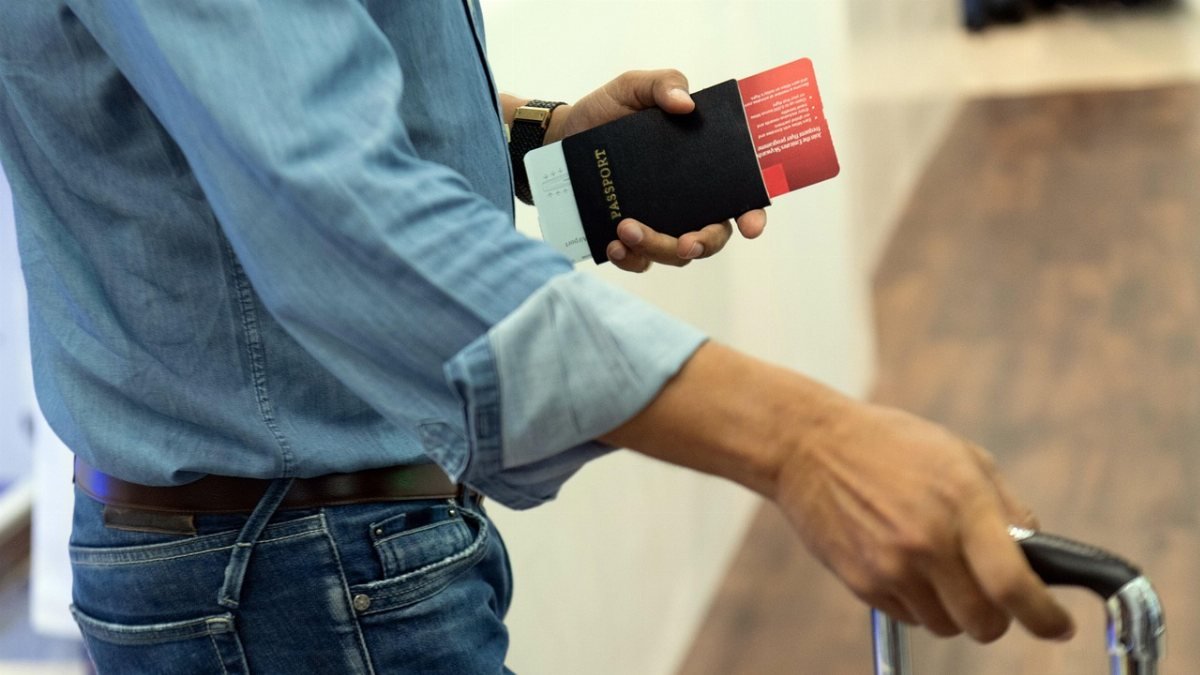
An airline hold and a verifiable flight reservation can look similar on a screen, but they serve different purposes, and the difference matters when you are putting a flight plan in front of a visa officer. A hold is a temporary block an airline places on seats for a short period, usually so you can decide whether to pay. It normally carries an expiry time, and once that passes the seats are released. A hold is useful for comparing fares, but it is not a settled booking, and a hold alone rarely gives an officer something they can check.
A verifiable flight reservation is a complete booking record with a booking reference, passenger name matching the passport, the exact flight numbers, dates and times, and the route. It is the kind of document a reader can look up or recognise as a genuine airline record. It shows a real plan without requiring you to pay for a ticket you may not use until the visa decision is made. That makes it a practical choice for applicants who need to show onward or return travel but are still waiting on an answer.
Consider a Baghdad-based consultant who must attend a short meeting in Oslo and needs to submit proof of a planned trip. A seat hold on a Baghdad to Oslo route might lapse before the appointment is even booked, leaving her with nothing to show. A reservation with a booking reference, dated for the trip she intends to make and matching her passport spelling, gives her application a clear, checkable plan. She can keep it on file and adjust later if the dates change.
Holds still have a place for fare research, but for a visa file the reservation is usually the better fit. Check the expiry, the name spelling and the route before you rely on either one.
Planning dates for an Iraqi applicant travelling to Norway
When you plan dates for a Norway visa as an Iraqi applicant, it helps to start with the purpose of your trip and work outwards. A short business meeting in Oslo, a family visit in Bergen or a conference in Trondheim each suggests a different stay length, and your entry and exit dates should reflect that purpose rather than a guess. Pick the trip you can actually describe in a sentence, then build the dates around it.
Take a practical example. Suppose you are a commercial engineer from Erbil who has been invited to a two-day site visit in Stavanger, with meetings on the Monday and Tuesday. Your entry date could be the day before the first meeting, your exit date the day after the last, and your hotel and invitation letter should all cover those same nights. A file where the flight, the hotel and the letter tell one consistent story is far easier to read than one where the dates drift apart.
Keep your supporting papers in step with the calendar too. If your bank statements, employment letter or invitation are dated for a particular period, your planned stay should sit comfortably within that window rather than stretching past it. Leave a small margin on each side for delays in the appointment or travel, but avoid padding the trip with extra days that have no purpose, because a long unexplained stay can raise questions.
Finally, look at your return. Your exit date should fall before any visa or permit you hold expires, and the onward leg of your reservation should match it. If your plans might shift, choose the dates you expect to keep and make a note of how you would update the booking, rather than leaving the whole file open-ended.
Does Norway accept a flight itinerary for visa purposes?
[[img:3]]
Whether Norway accepts a flight itinerary for visa purposes is a question only the Norwegian authorities or the visa application centre handling your file can answer with certainty, and it is worth checking before you rely on any document. Requirements for supporting travel documents can differ depending on the type of visa, the application route and the centre you use, so treat what you read on a general site, including this one, as a starting point rather than the final word.
In practice, many applicants are asked to show evidence of their intended travel, such as a flight reservation, and a hotel or accommodation booking. How that evidence is reviewed, and how much weight it carries alongside the rest of your file, is for the embassy or visa centre to decide. Nothing in a reservation guarantees an outcome.
Take the example of a software engineer from Erbil travelling to Oslo for a week of client meetings. Her application centre asked for proof of onward travel and accommodation, so she confirmed the current document list on the official visa pages and checked it again with the centre before submitting. Only then did she book a flight reservation that matched the dates on her application form.
Before you rely on any itinerary, check the current requirements on the official Norwegian government or embassy pages, and confirm with your visa application centre whether they want a reservation, an itinerary or something else. Keep copies of what they tell you, and if a question remains, ask them directly. Asking early is far easier than sorting out a gap after submission.
Matching your hotel booking to your flight plan
Your accommodation and your flights should tell the same story. An officer reading your application will look at where you say you are staying and when, and whether the flight dates and the hotel dates line up. Small mismatches are easy to avoid if you plan both together from the start.
Begin with the arrival date. Your first night's hotel booking should fall on the day your inbound flight lands, or the day after if you are arriving late and have a reason. Check that the check-in time at the hotel is realistic for your arrival, so you are not paying for a room you cannot use until the afternoon.
Then work backwards from the departure. Your last hotel night should match the night before your outbound flight. If you plan to leave early in the morning, book the final night at the hotel itself rather than a different address, because a change of city the night before can raise questions.
A practical example: suppose you are an Iraqi engineer flying Baghdad to Oslo, with a four-night stay in Oslo followed by a day trip to Bergen. Your reservation shows arrival in Oslo on the 10th and departure from Oslo on the 15th. Your hotel in Oslo should cover the 10th to the 14th nights, and if you book a Bergen hotel, the dates should sit inside the Oslo window with the travel between them clearly shown.
Keep a single document listing each city, each address and each date, and check it against your reservation before you submit. If the two ever disagree, correct the one that is easier to change, which is usually the hotel.
Where to get the final rules for your application
For an Iraqi applicant, the single most reliable source of requirements is the official channel that handles your application, and that is not always the same place. Norway's visa rules, fees and appointment routes are set out by the Norwegian authorities and by the visa application centre that processes applications in your region. Check both before you rely on anything written elsewhere, including on this website, because requirements can change and a visa centre's booking system is the only place that can confirm your slot.
Start on the official Norwegian government pages, then move to the visa centre's own page for Iraq. The centre page usually explains how to book an appointment, which documents to bring to it, how fees are paid and what to do if a slot is hard to find. Save or print the pages you rely on, with the date you read them, so you can show later exactly what you were working from.
Take a student from Erbil travelling to Oslo for a short course as an example. Her reservation shows a return flight, but she should confirm on the official pages whether the document list asks for a specific format of travel plan, whether the fee is paid in advance, and how far before the trip she must submit. The visa centre's appointment page is where she would learn that morning slots fill quickly, so she should book as soon as she has her dates fixed.
If anything you read online disagrees with the official channel, follow the official channel and note the difference. Do not assume a friend's experience or an old forum post still applies, and do not pay anyone who promises that a particular outcome is assured, because the decision rests with the embassy alone.
Documents to bring alongside your itinerary
Most applicants find that a flight reservation is only one piece of what they bring to an appointment or an online application. The supporting papers are what help a case officer see the whole plan, so it is worth gathering them before you sit down to fill in the form. None of these papers can promise a result, but a neat, consistent set makes your application easier to read.
A practical starting point is your **passport**, valid for the period you intend to travel and with the pages you need for stamps. Keep copies of the photo page and any previous visas, and bring the originals if you are attending an appointment. Alongside it, many people prepare a recent passport-style photograph that meets the size and background rules published for the application.
Next, think about proof of where you will be staying. A hotel confirmation, or a letter from a host with their address and contact details, shows the officer where you will sleep each night. Imagine a Baghdad-based engineer travelling to Oslo for a three-day conference: a hotel booking in Oslo that matches the dates on the flight reservation, plus the conference invitation, tells one clear story.
Employment or study papers come next for many applicants. A letter from your employer on company paper, stating your role, salary, approved leave and return date, is useful, as is a student enrolment letter if you are studying. Bank statements covering the recent months show you can meet the costs of the trip, and a copy of any travel insurance policy you have arranged rounds out the set.
Keep everything in one folder, in the same order as the application checklist, and check that the names, dates and spellings match across every document.
Dummy flight ticket searches and what you really need
If you have searched for a dummy flight ticket or a dummy flight ticket for a visa, you are not alone, and it is worth knowing exactly what those words usually mean in practice. Most people who type them are looking for proof that they intend to leave the country on time, not for anything fraudulent. What an embassy or visa centre typically wants to see is a **flight reservation**: a real airline booking record with its own booking reference, passenger name matching the passport, and a route and date you can check. That is a genuine record held in the airline's system, and it is the thing this service provides.
It is also worth being clear about what a flight reservation is not. It is not a ticket that has been paid for and issued, and it does not guarantee that a visa will be granted. The decision rests entirely with the embassy, which may ask for further information or refuse for reasons unrelated to your flights. Anything presented as a fake, forged or substitute document would be a serious problem for you, so it is never the right route.
Consider a practical example. Suppose you are a business traveller based in Erbil, applying for a Schengen visa for meetings in Oslo, and you need to show an onward journey from Oslo back to Erbil. A verifiable flight reservation with a clear booking reference lets the caseworker check the route and dates, and it sits neatly alongside your hotel confirmation and invitation letter. If the dates later change, you can amend the reservation rather than rebuild your whole file.
If that matches your situation, you can book a flight reservation for your visa application on 247Booking.Online. It is a real booking record you can verify, provided to help you present a clear, consistent plan.
Common mistakes and what to check before you book
Before you submit anything, it is worth going through your paperwork line by line, because small mismatches are the most common reason a perfectly genuine plan looks confusing to a reviewer. Start with dates. The departure and return dates on your flight reservation, your hotel confirmation and your application form should tell the same story. If your reservation shows a return on the 14th but your hotel is booked until the 12th, someone checking the file will notice, and it is far easier to align the dates now than to explain a gap later.
Next, check the name. Your name on the booking must match your passport exactly, including the order of names, any middle names and the spelling of each part. A reservation in "Mohammed" when your passport says "Muhammad" can cause a check-in problem at the airport, even when the visa itself is fine. Compare the two documents letter by letter rather than trusting your memory.
Then look at validity. A reservation has a booking reference and a status, and that status can change if a booking is cancelled or left unpaid within its time limit. Confirm that the reservation is still active on the day you submit, and keep a copy of the record showing that status.
For example, imagine a student from Basra planning a short course in Bergen, flying via Istanbul. Her reservation showed her surname with a hyphen while her passport did not, and her return date was one day after her accommodation ended. Catching both before submission meant one simple correction and a tidy file.
It is a real airline booking record with a booking reference that shows your planned travel dates and route.
Is a flight reservation the same as a paid ticket?
No, a reservation is a booking record, while a paid ticket is issued after payment, and embassies may ask for either depending on their rules.
Can I use an onward flight itinerary for a Norway visa?
Many applicants include one, but whether it is accepted is decided by the embassy or visa centre, so confirm their current list.
Do I need a hotel booking as well as a flight?
Some applications ask for accommodation details alongside travel plans, so check the requirements for your specific application.
How do I get a flight reservation with a PNR?
You can book a flight reservation on this website, which gives you a verifiable booking reference to include with your documents.
Who decides if my itinerary is enough for the visa?
The Norwegian embassy or visa centre makes that decision, and this website does not guarantee any visa outcome.
Is a flight reservation the same as a ticket?
No. A reservation is a booking record with an airline reference. A ticket is paid for and lets you fly.
Please note
A flight reservation is not a ticket and does not guarantee a visa. The embassy or visa centre decides, and its rules change. Follow the official checklist for your application. We are independent and not affiliated with any airline or embassy.
Ready to order?
£18.00 one way or £18.00 return, per traveller. Delivered within 2 hours.
Short answer: A mexico flight reservation itinerary is a real airline booking record that shows when you plan to arrive and leave, with a booking reference you c...
Short answer: A USA visa itinerary is a clear plan of your flights and where you will stay, and a flight reservation with a real booking reference is the usual w...
Short answer: A flight reservation for Italy is a real airline booking record, with a booking reference, that shows when you plan to leave the Schengen area, and...