Exit Ticket for Italy: How Colombian Travellers Prove Onward Travel
A flight reservation for Italy is a real airline booking record, with a booking reference, that shows when you plan to leave the Schengen area, and it is the document most Colombian applicants need as their exit ticket. It is not a purchased ticket or a guarantee of a visa, because the Italian consulate or visa centre decides what evidence it accepts. Check their current requirements before you apply, and use a verifiable reservation that matches your dates exactly.
A flight reservation is a real airline booking with a reference code, not a paid ticket
Your exit date should match your requested stay and your insurance dates
The embassy or visa centre makes the final decision on your evidence
Airline names and booking codes should be checked by the consulate if they ask
Keep your reservation updated if your travel plans change
What an exit ticket for Italy usually means
[[img:1]]
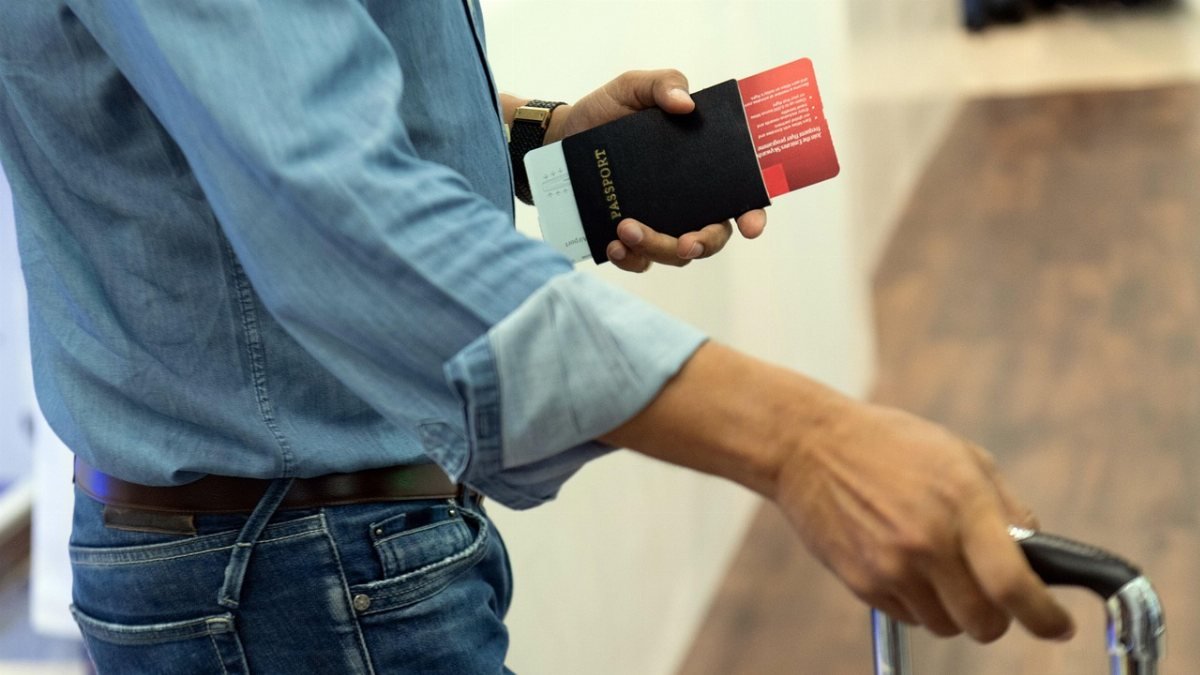
An exit ticket for Italy is simply the proof that you intend to leave the Schengen area before your permitted stay runs out. When a consulate reviews a short-stay application, it wants reassurance that the trip has a defined end, not an open-ended stay. Showing a future flight out of the area is one of the most common ways applicants give that reassurance.
Think of a Colombian travel nurse from Medellín who has been offered a two-week conference visit to Milan. Her application will ask for her entry and exit dates, and the consular officer will look for a departure that matches the approved window. A flight reservation from Milpensa or Fiumicino back to Bogotá, dated a day or two before her visa expires, shows exactly that. It turns her plans into something the officer can check against her dates.
The phrase is widely used, but what most applicants actually need is a flight reservation: a genuine airline booking record with its own reference, showing the route, the date and the passenger name. That record demonstrates a planned departure without committing you to a fully paid ticket. The sections that follow explain how that works in practice and what to check before you submit.
A Colombian applicant's first week of planning
Picture a schoolteacher from Bogotá, let us call her Valentina, who has been invited to a conference in Milan and needs to apply for a short-stay visa. In her first week she does not start with the application form. She starts by writing down the dates she will be in Italy, the city where she will stay, and the day she plans to leave the Schengen area. Those three facts shape everything else.
Next she gathers the passport details exactly as they appear on the photo page, because a single letter out of place can cause a mismatch later. She checks that her passport is valid for the period the consulate expects and that it has blank pages. Only then does she think about the flight, since the reservation has to match the name and dates she has just confirmed.
Midweek she compares the outbound and onward legs, looking at whether the departure from Italy falls inside her approved stay. She notes the airport, the airline and the local time, so the details will read the same on every document. Her conference letter and hotel confirmation go into the same folder, arranged by date, so a reviewer can follow the story at a glance.
By Friday she has one clean folder and a single flight reservation with a booking reference she can check on the airline's own site. She has not paid for anything she does not need, and she knows which parts of the plan are still open, such as the consulate appointment date. That calm, orderly start is what makes the rest of the process easier.
Flight reservation versus purchased ticket
[[img:2]]
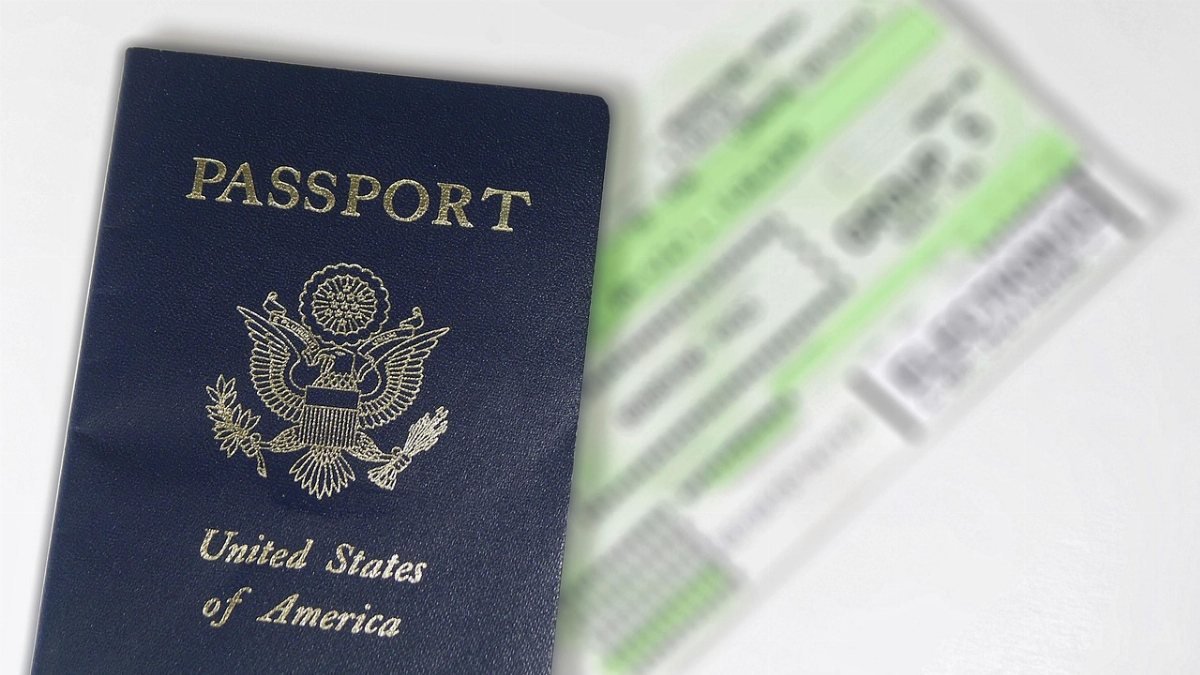
A flight reservation and a purchased ticket are not the same thing, and it helps to know which one you are being asked for. A **flight reservation** is a real airline booking record. It holds your name as it appears on your passport, your route, your dates and a booking reference, but the fare has not yet been paid in full, so the seat is held for a short period rather than secured permanently.
A **purchased ticket** is the same booking after payment has been completed and the airline has issued the ticket. It carries a ticket number and confirms that the fare has been settled. For many everyday purposes the difference matters very little, because the reference alone lets an airline or an official check the itinerary.
Take Maria, a Colombian software developer from Medellín who has been invited to a three-day conference in Milan. She needs to show a clear onward journey as part of her Schengen visa application. A flight reservation from Bogotá to Milan and then onward from Milan to Bogotá, with a booking reference she can check on the airline's site, gives the consulate what it needs to see. She does not need to pay for the return fare until she knows her conference dates are confirmed.
A purchased ticket becomes more useful when the fare must be fully settled before you can move forward, for example when a travel company or an employer asks for proof of payment, or when you are certain of your plans and want a single, finished record. Some travellers prefer to pay straight away for peace of mind. Others hold a reservation first and pay once their appointment or approval is firm. Both approaches are sensible, as long as you understand what each document shows.
Does the consulate accept a booking reference alone?
Whether a consulate accepts a booking reference alone is a question many applicants ask, and the honest answer is that it depends on the consulate and the officer reviewing your file. A booking reference shows that a real airline reservation exists under your name, with a route and dates. Most applicants find it works best as one part of a small, consistent set of documents rather than as a single item on its own.
What people commonly include alongside the reservation is a printed flight itinerary showing the reference, the passenger name, the flight numbers and the dates, plus a copy of the passport whose name and details match the booking exactly. Some also add the visa appointment confirmation, the travel insurance certificate and proof of accommodation for the trip. Keeping the spelling of your name identical across every page avoids the kind of mismatch that causes delays.
Consider a Colombian architect from Medellín planning a short business trip to Milan, with a return flight to Bogotá booked for the following week. She submits the booking reference, an itinerary printout, a copy of her passport and the hotel confirmation for her meetings. Her file tells one clear story, and the reviewer can see how each piece connects.
Always check the specific requirements published by the consulate handling your application, as these can change. The embassy or consulate makes the final decision, and no reservation can promise an outcome. Your job is to present accurate, matching information that is easy to verify.
Matching your dates to your trip and insurance
[[img:3]]
Your paperwork tells a story, and the reviewer reads every page against the others. If your entry date on the flight reservation says the 14th but your hotel confirmation starts on the 15th, the mismatch is what draws attention, not the dates themselves. Lining everything up before you apply saves a great deal of back-and-forth later.
Start with a single set of dates and write them down before you book anything. Your **entry date** into Italy, the **length of stay**, and your **exit date** should match across your flight reservation, your accommodation bookings and your travel insurance policy. Check that the spelling of your name matches your passport exactly on every document, because a small difference can be enough to cause a query.
Think about what each document covers. Your accommodation should run from your arrival night to your departure night, with no gaps that would leave the reviewer wondering where you planned to be. Your travel insurance should cover the full period from the day you arrive to the day you leave, not just part of it. If your plans change, update all three documents together rather than changing one and leaving the others out of step.
Here is a concrete case. A Colombian business traveller flying from Bogotá to Milan for a three-day trade fair might book a flight reservation arriving on the Monday and departing on the Thursday, reserve a hotel in Milan for the Monday to Thursday nights, and take out insurance covering those same four days. Because all three documents describe the same trip, the reviewer can confirm the plan at a glance.
Keep copies of each document together in one folder, both as PDFs and printed, so you can answer questions quickly if they arise.
Onward flight, return ticket and flight itinerary explained
Travellers often use "onward flight", "return ticket" and "flight itinerary" as if they meant the same thing, but they describe different parts of a trip. An **onward flight** is simply the next flight that takes you out of the country you are visiting, and it is the term most often used when a reviewer wants to see how you will leave. A **return ticket** is the same idea framed around your round trip, where the journey out and the journey back are linked on one booking. A **flight itinerary** is the broader document: a summary of every flight in the trip, with dates, times, airports and the booking reference, which may cover several legs.
Take a Colombian teacher from Medellín travelling to Milan for a short course, flying into Malpensa and then back to Bogotá. Her onward flight is the leg from Italy to Colombia. Her return ticket is the same outbound and inbound pair shown together. Her flight itinerary is the page that lists both legs with the reference, so a reviewer sees the full picture in one place.
Before you book, check what your consulate's written guidance asks for, and use that wording on your application where it is stated. Where the guidance mentions only "proof of onward travel", a flight reservation for the exit leg is usually what is meant. If it asks for a round trip, a return booking that covers both directions is the right fit.
Keep the naming consistent across all your documents so the reviewer does not have to interpret. A single clear itinerary, matched to the dates on your form, is easier to check than several loosely connected pages.
Booking a verifiable flight reservation for a visa application
When you book a flight reservation for a visa application, the first thing to look for is a real airline booking record: a booking reference (often six characters, letters and numbers, sometimes called a PNR), the passenger's name exactly as it appears on their passport, the flight numbers, dates and times, and the airline's own contact details. A reservation held on this website is a genuine airline booking, so the reference should open on the airline's website or app and show the same details you see on the confirmation page. Anything that cannot be checked against the airline is not something you want to put in front of an embassy.
Before you submit anything, take a few minutes to check the record yourself. Enter the booking reference on the airline's manage-booking page and confirm the name spelling, the route, the dates and the flight times all match. Then compare the same details with the dates you have written on your visa form, because a mismatch of even one day is the kind of thing that prompts questions. Save a copy of the confirmation as a PDF, and keep the airline's own page or email as well.
For example, a Colombian traveller flying from Bogotá to Milan on one date and leaving Italy from Rome a fortnight later would check that both legs are on one reservation, that the return leg departs from an airport they can actually reach in time, and that the traveller's name matches their passport. If the reference opens with those details showing, the record is easy for a reviewer to verify.
If you would like to book a flight reservation for a visa application through this website, you can do so here, and you will receive a booking reference you can check directly with the airline.
Common mistakes Colombian applicants make before booking
Most of the problems we see with flight reservations for visa applications are small, and they are easy to avoid if you check a few things before you pay. The first is the name. The name on the booking must match your passport exactly, including the order of surnames and any accents or middle names that appear in the machine-readable zone. A booking for "Maria Lopez" when the passport reads "Maria Fernanda Lopez Gomez" can cause trouble at check-in, and a reviewer may question it.
The second common error is dates that do not fit the stay you have described. Someone applying for a short Italian trip who books an onward flight three months after the visa period ends, or one who books a return the day before they arrive, will find the reservation raises questions instead of answering them. Your dates should follow naturally from your itinerary, your accommodation and any insurance cover you have arranged.
A third mistake is booking from Bogotá to Rome but forgetting that the onward leg starts in a different city, or booking a route you never intend to take. For example, a Medellín applicant flying to Milan who books a return from Venice without any explanation of how they will get there tends to get asked about it. Keep the route consistent with what you wrote in your application.
Finally, do not book a reservation you intend to cancel the moment the visa is approved, and do not rely on a screenshot in place of the booking record itself. Read the airline's cancellation terms, keep your reference, and be ready to show it.
Is a flight reservation the same as an exit ticket for Italy?
Often yes in practice, but the consulate decides, so check what they accept for your application.
Can I use a flight reservation for visa applications from Colombia?
Many applicants do, provided it is a real booking with a reference that shows your planned departure from the Schengen area.
Do I need to fly out of Italy specifically?
Not always; you need to show you will leave the Schengen area on time, so confirm the requirement with the consulate.
What if my travel plans change after I apply?
Tell the consulate if you are asked about it, and keep your reservation up to date with the airline.
Where can I book a flight reservation for my visa application?
You can book a flight reservation with a booking reference through 247Booking.Online, which is useful when you need a booking record for your application.
Is a flight reservation the same as a ticket?
No. A reservation is a booking record with an airline reference. A ticket is paid for and lets you fly.
Please note
A flight reservation is not a ticket and does not guarantee a visa. The embassy or visa centre decides, and its rules change. Follow the official checklist for your application. We are independent and not affiliated with any airline or embassy.
Ready to order?
£18.00 one way or £18.00 return, per traveller. Delivered within 2 hours.
Short answer: A mexico flight reservation itinerary is a real airline booking record that shows when you plan to arrive and leave, with a booking reference you c...
Short answer: A USA visa itinerary is a clear plan of your flights and where you will stay, and a flight reservation with a real booking reference is the usual w...
Short answer: A norway visa itinerary is a dated plan of your entry and exit flights and where you will stay in Norway, and a flight reservation with a booking r...